
What is Sleep Apnea Mouth Guard?
An average person needs to rest and sleep for at least 7 hours every day to facilitate body repairs and to renew a person’s energy that was spent throughout the day. However, some people suffer from a certain medical condition that they experience when they fall asleep and can affect people’s breathing while doing so. This medical condition is called sleep apnea and there are a good number of people who are affected by it.
While majority of people who have this medical condition have been diagnosed as clinically overweight, there have also been reports of physically fit patients experiencing this kind of sleep disorder. Because this specific type of medical condition causes a person to snore which can be a problem to a lot of people, there have been advances in the medical field pushed to prevent the occurrence of such condition such as continuous positive airway pressure or CPAP, surgery, tongue muscle training, and even medications. But one treatment had garnered a lot of positive results – it is called the oral appliance or also known as the sleep apnea mouth guard.
What is it?
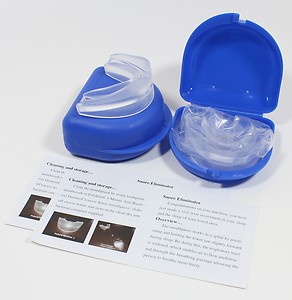
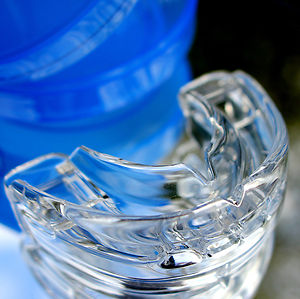
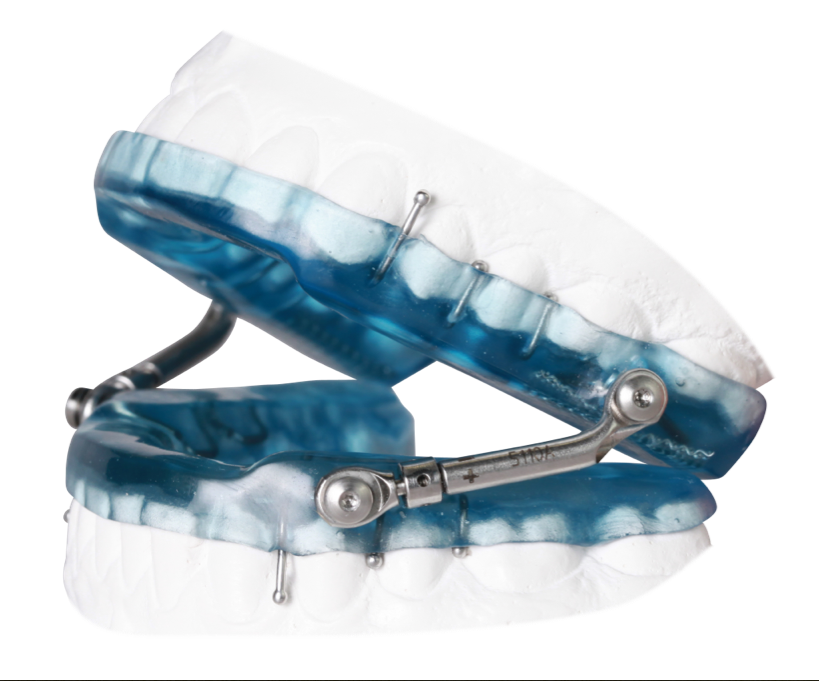
A sleep apnea mouth guard, otherwise known as a mandibular advancement splint, is a unique kind of mouthpiece designed to shift the patient’s lower jaw a little bit forward which results in the opening of the airway being obstructed during an episode of sleep apnea. This special type of mouth guard for sleep apnea is highly recommended for people who are experiencing mild to moderate sleep apnea.
Who are eligible to use a sleep apnea mouth guard?
As written above, a mouth guard sleep apnea device is commonly for individuals who are experiencing non severe sleep apnea. This can be clinically defined when patients have at least 80 to 86% of oxygen saturation, being sleepy in activities that require little to moderate attention such as reading and attending a meeting. Even though mild to moderate sleep apnea patients have at least 5 to 30 episodes per sleep, this can cause some problems in the house or at the workplace and can hinder social interaction. People who experience sleep apnea but are not clinically obese are also eligible to try on a mouth guard designed to treat sleep apnea.
Fitting on a mouth guard to treat sleep apnea
Though trying on a mouth guard for sleep apnea works in a lot of ways, it is imperative that one must consult a physician or a specialist before trying one. Usually a dentist is someone that can be visited to talk to about getting a dental mouth guard for sleep apnea so as to acquire a patient’s exact measurements, as well as certain dental problems that might occur during the course of wearing a mouth guard for treatment of sleep apnea. The dental mouth guard for the treatment sleep apnea also needs a regular check-up for the dentist to make certain adjustments to the mouthpiece over time for better fitment of the mouth guard.
Custom fitted mouth guard versus generic mouth guard
Though there are some over-the-counter mouth guards dedicated to treat sleep apnea, a lot of specialist will advise on getting a custom fitted mouth guard over it. Why? Because people have different sizes of jaw, placement of teeth and position of the tongue and these factors may cause the mouth guard to not function properly during the course of wearing it. The custom fitted mouth guards have also been proven to be more effective than the generic ones based on the number of people who have tried the mouth guard for themselves.
Types of mouth guard
When it comes to the use of a mouth guard to prevent problems brought about by sleep apnea, doctors and other specialists have come up with two different kinds of mouth guard a patient can have himself or herself fitted to use against this kind of medical condition. The two types of mouth guards against sleep apnea are the following:
1. Mandibular advancement devices
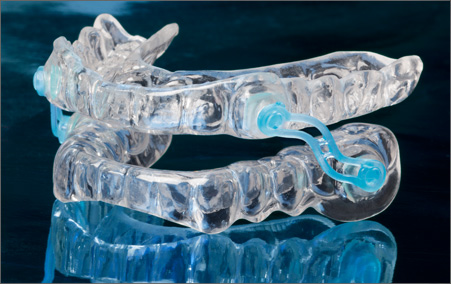
Mandibular advancement devices, also known as MAD, is a type of mouth guard for people with sleep apnea that facilitates the positioning of the patient’s lower jaw a little forward from its normal position allowing the natural flow of air by the time a patient sleeps.
2. Tongue retaining devices
The tongue retaining device or TRD, on the other hand, prevents the occurrence of sleep apnea by not allowing the patient’s tongue to fall back to the throat, causing obstruction in the airways. This type of mouth guard holds the tongue like a splint while the patient sleeps, kind of like how a doctor places a tongue depressor on a patient while conducting a mouth and throat test.
Benefits of a mouth guard
While there are a good number of different procedures a person can choose to address this certain condition, utilizing a mouth guard to prevent sleep apnea can have its own benefits as well. These benefits are as follows:
- Non-invasive
Unlike other medical procedures to treat sleep apnea, using a mouth guard is not as invasive as the other procedures because it will just require the patient to wear the mouthpiece by the time the patient is ready to sleep. Patients no longer need to follow strict self-control regimens, undergo invasive and sometimes useless surgeries to correct this condition.
- Convenient
For people who frequently travel and have sleep apnea, it can be a very embarrassing experience especially when patients are trying to sleep on the plane, on the train or even on the bus because some sleep apnea patients have the tendency to snore, and some do snore a bit louder that they should. Bringing a mouth guard to these trips would enable these people to sleep silently and will not be able to pester other passengers wherever they may go. And because it is small and lightweight, it will not be a burden to carry on these trips unlike other sleep apnea remedies like the continuous positive airway pressure or also known as CPAP.
- Ease of Use
Compared to other sleep apnea remedies such as the CPAP wherein the patient is forced to wear a mask and strap it to the patient’s face every time it is time to sleep, the mouth guard does not have any of these inconveniences. A patient just simply needs to take the mouth guard from its container, place it on the patient’s mouth as anyone would a mouthpiece and it will do the rest of the job.
- Comfort
Similar to the mouth guard’s ease of use, it also allows the patient to sleep comfortably as the patient will no longer have to strap a mask that is connected to the high flow therapy device as with the CPAP. With the mouth guard for the treatment of sleep apnea, the patient will just be on a soft device built to provide relief from mouth apnea.
Verdict
Sleep apnea affects a lot of people. And most of the time people who are affected by it are not even aware that they do unless they are told so. These people have a lot of choice when it comes to treatment of this socially damaging condition, but a lot of people will agree that using a mouth guard really helps.